

Sponsorships 101

School fundraising has long followed a familiar playbook. Car washes, discount cards, and concession sales have supported programs for years. While those efforts still have value, many athletic departments are starting to recognize a more scalable and strategic path forward--Sponsorships.
In a recent webinar, athletic leaders and our SponsorPlace experts broke down how schools can build sponsorship systems that actually work. The conversation moved beyond theory and into real execution, including insights from Atlanta-area athletic director, Kirk Call, who is actively refining his approach.
Here’s what stood out.
The Shift From Donations to Partnerships
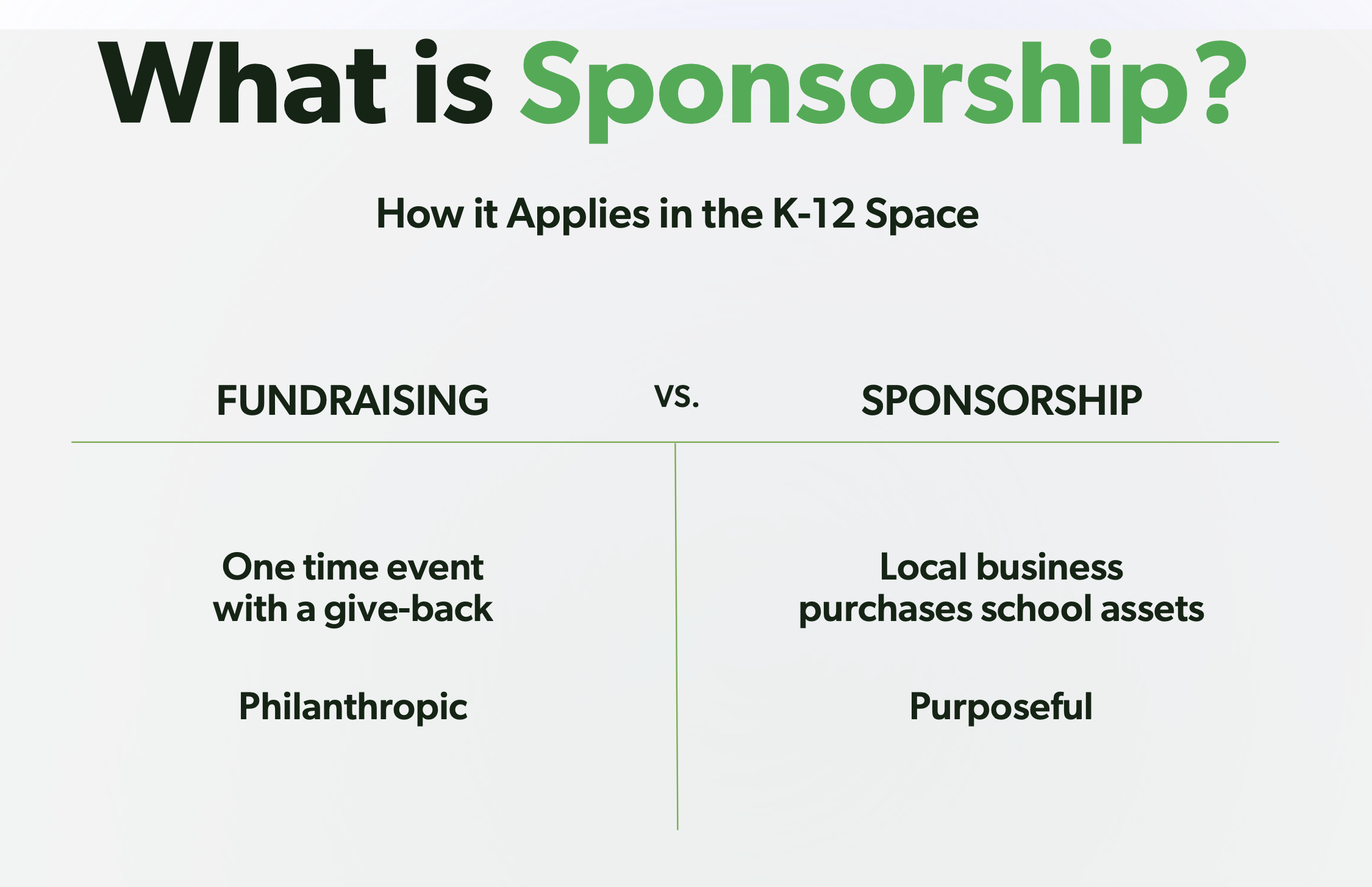
Fundraising and sponsorships often get lumped together, but they operate very differently.
Fundraising relies on goodwill. A community member donates because they want to help.
Sponsorships create a value exchange. Local businesses invest because they receive visibility, access, and alignment with the school community in return.
That distinction changes everything. When schools position opportunities correctly, they move from asking for support to offering something meaningful in return.
Every School Already Has Sponsorship Assets
One of the biggest misconceptions is that schools need to “create” sponsorship opportunities. In reality, most campuses already have them.
It starts with identifying what exists:
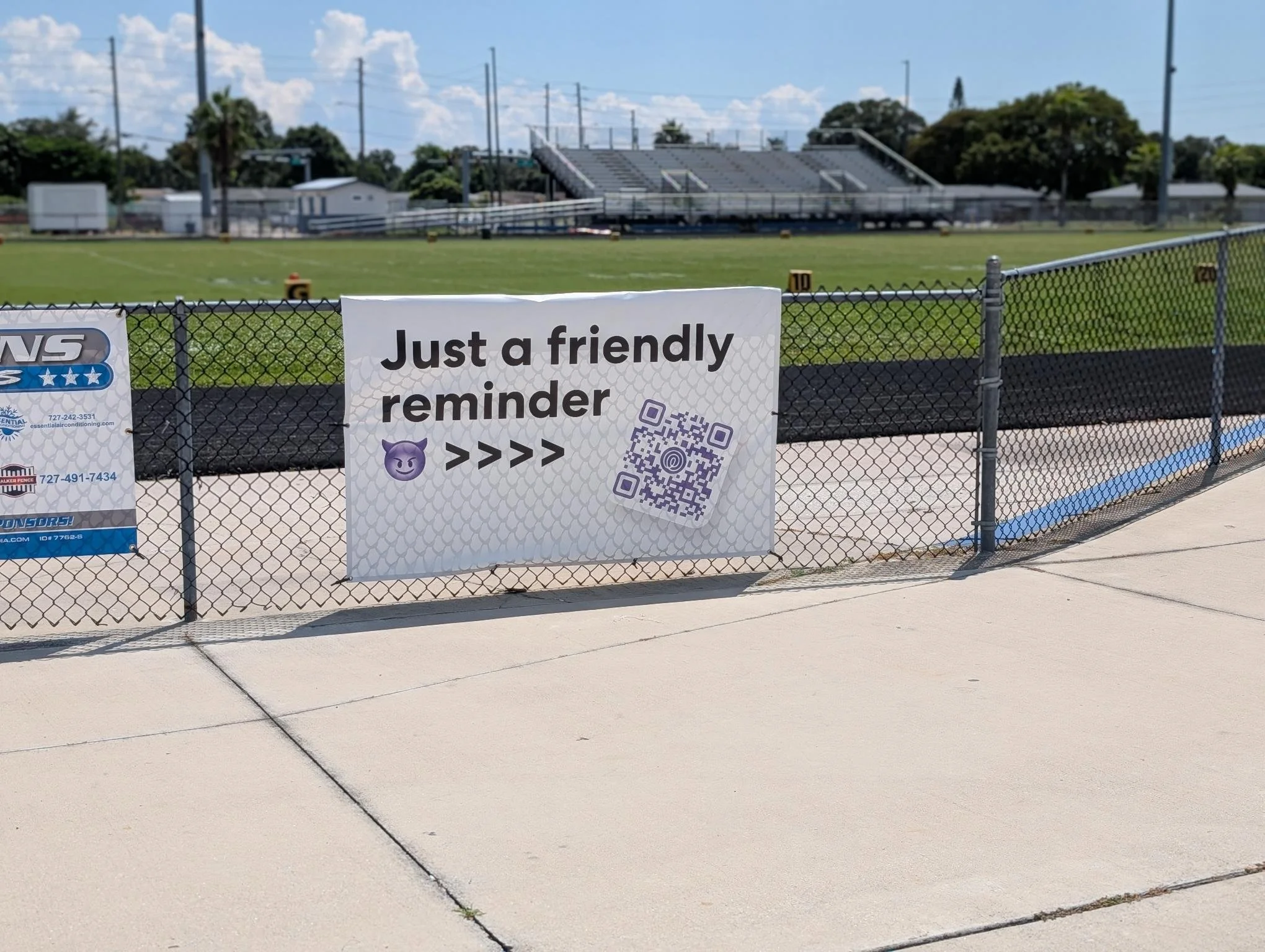
Physical spaces like stadium fences, gyms, and high-traffic entrances
Digital platforms including social media, websites, and livestreams
Events such as tournaments, banquets, and community gatherings
Once schools take inventory, they realize they are sitting on multiple touchpoints that local businesses care about.
Packaging Makes It Easier to Sell
Instead of selling one-off placements, successful programs bundle assets into simple, tiered packages.
Think three levels with clear value differences. Each level combines a mix of visibility across physical, digital, and event-based channels.
This approach does two things:
It simplifies the decision for businesses
It positions the school as an organized, professional partner.
Pricing is less about finding a perfect number and more about listening. If businesses hesitate, adjust. If they see strong value, there may be room to increase.
Local Businesses Are the First and Best Audience
Schools often overthink where to find sponsors. The answer is usually right down the street, in their PTA and Booster clubs, and in the cars waiting in the pick up line.
Banks, restaurants, fitness centers, real estate agents, and service providers already have a connection to the school community. Many have customers who are students, parents, or staff.
In many cases, these businesses want to support local programs. They just need a clear way to do it.
Real-World Insight: What Actually Drives Value
One of the most revealing moments from the webinar came from a hands-on exercise.
An athletic director invited existing sponsors to walk the campus and evaluate placements. The feedback challenged assumptions.
Digital signage, which the school had priced as premium inventory, was not the top priority for their particular businesses. Static signage in high-traffic areas carries more value because it stays visible throughout the day.
The lesson is simple. Perceived value inside the school does not always match what sponsors care about. Direct feedback is one of the most powerful tools available. So creating relationships with local businesses and actually asking them what they are interested in is a game-changer.
Where Sponsor Management Finally Gets Solved
Turnover is part of the reality in school programs. Parents graduate out. Volunteers rotate. Leadership shifts. What should not change every year is how sponsorships are managed.
This is where a centralized platform changes the game.
SponsorPlace brings structure to what is often scattered across spreadsheets, emails, and individual teams/programs. Every piece of inventory lives in one place. Field signage, digital placements, events, and packages are clearly organized and easy to navigate. Tiered offerings are laid out in a way that makes sense for both schools and sponsors, removing guesswork on both sides.
Instead of each team operating in silos, the entire athletic department can present a unified front. Multiple sports, programs, and events are housed within a single system, giving full visibility into what is being sold, what is available, and what has already been secured. That level of transparency builds trust internally and externally.
The real advantage shows up over time.
When leadership changes or volunteers move on, nothing resets. The structure stays intact. Pricing remains consistent. Packages are already built. New contributors step into a system that works rather than starting from scratch.
With that foundation in place, schools can focus on growth instead of rebuilding their processes every four years. Sponsorships become more predictable. Local business relationships deepen. Student programs benefit from a steady, organized revenue stream.
SponsorPlace simplifies sponsorships and gives schools a sustainable way to scale them.